April 9, 2026
Industrial rigging services play a critical role in moving, installing, and positioning heavy machinery safely and efficiently. Whether you are relocating equipment, setting up a new facility, or upgrading operations, the right rigging partner can make the difference between a smooth project and costly delays.
If you are planning a project that involves heavy equipment or complex logistics, waiting is a risk you cannot afford. One delay or wrong move can cost you thousands in downtime and disrupt your entire operation. That is why serious operators trust Atlantic Millwrights to get it done right the first time. If you want fewer delays, tighter execution, and full confidence in your timeline, contact us now and get your project moving.
Key Summary
Industrial rigging services involve the safe lifting, moving, and placement of heavy equipment using specialized tools and trained professionals. Choosing the right partner depends on experience, safety standards, equipment capabilities, and project planning. A reliable rigging company reduces downtime, improves safety, and ensures your project is completed efficiently.
What Are Industrial Rigging Services?
Industrial rigging services focus on the controlled movement of large, heavy, or sensitive equipment. This includes lifting, moving, positioning, installing, and sometimes dismantling machinery in industrial environments such as warehouses, manufacturing plants, and construction sites.
These services often work alongside millwright services, where precision installation and alignment are required for machinery to function properly. In many cases, rigging is just one part of a larger project that may also involve industrial construction or system upgrades.
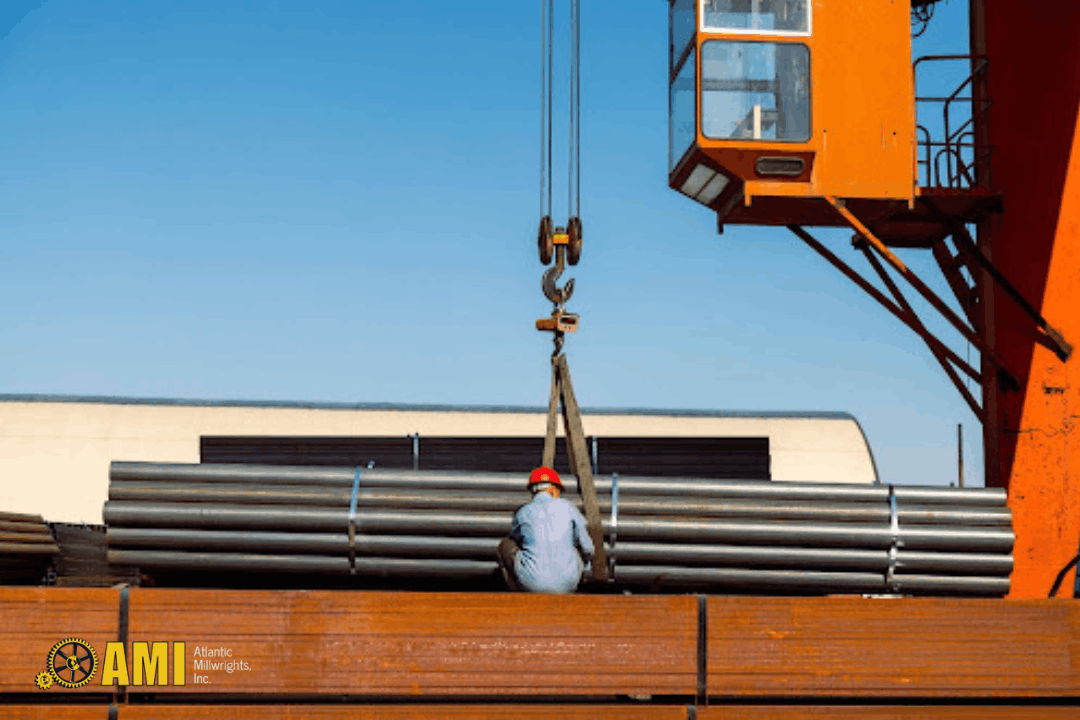
Heavy pipe lift in progress using crane and rigging team coordination
What to Expect from Industrial Rigging Services
Project Planning and Site Evaluation
Every successful rigging project starts with planning. A professional rigging team will assess your site, evaluate access points, measure clearances, and identify potential obstacles. This step ensures that the right equipment and strategy are used before any lifting begins.
Specialized Equipment and Tools
Industrial rigging relies on equipment such as cranes, hoists, slings, spreader bars, and custom rigging gear. The type of equipment used depends on the size, weight, and sensitivity of the machinery being moved.
For more complex lifts, companies may incorporate crane services or build custom supports through custom fabrication and welding to ensure the job is completed safely and accurately.
Safety-First Execution
Safety is the foundation of all industrial rigging services. Reputable companies follow strict guidelines set by OSHA and ASME to protect both workers and equipment.
Every lift is carefully calculated, monitored, and executed to prevent accidents, damage, or delays.
Coordination with Other Teams
Industrial rigging projects often involve multiple teams, including electricians, millwrights, and construction crews. A strong rigging partner will coordinate with all parties to keep the project on schedule and avoid conflicts.
This coordination may also include logistics support such as trucking services to transport machinery to and from your facility.
Efficient Installation and Placement
Once equipment is moved into position, precision becomes critical. Industrial rigging services ensure machinery is properly aligned, leveled, and secured so it can operate correctly from day one.
In some projects, this phase overlaps with services like piping pipe fitting or system integration, especially in manufacturing and processing environments.
How to Choose the Right Industrial Rigging Partner
Experience with Similar Projects
Not all rigging projects are the same. Look for a company with proven experience handling equipment similar to yours. Reviewing a team’s past projects can give you insight into the types of work they have successfully completed.
Strong Safety Record
A reliable rigging company prioritizes safety at every stage. Ask about certifications, training programs, and compliance with OSHA and ASME standards. A strong safety culture is a clear sign of professionalism.
Proper Equipment and Capabilities
The right partner should have access to a wide range of rigging equipment and the ability to handle projects of different sizes and complexities. This includes cranes, forklifts, and specialized lifting tools.
Clear Communication and Planning
Transparent communication is essential. A good rigging partner will walk you through the process, provide clear timelines, and keep you informed at every stage of the project.
Ability to Minimize Downtime
Time is critical in industrial operations. The best rigging companies understand how to work efficiently while maintaining safety, helping you get equipment up and running as quickly as possible.
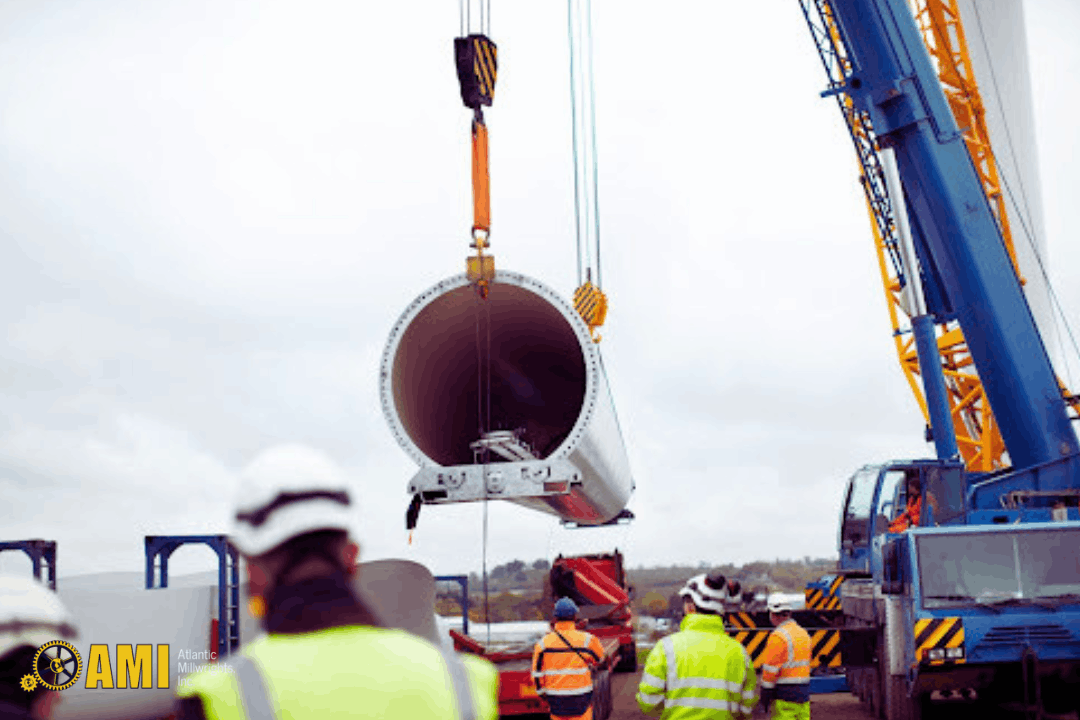
Preparing steel pipes for lifting using proper rigging techniques
Common Mistakes When Hiring Industrial Rigging Services
Choosing Based on Price Alone
Low-cost providers may cut corners on safety or planning. This can lead to delays, damage, or even accidents. Value and reliability should always come first.
Lack of Project Planning
Skipping the planning phase often leads to unexpected issues. Proper evaluation and preparation are essential for a successful outcome.
Ignoring Safety Standards
Failure to follow OSHA and ASME guidelines can result in serious consequences. Always verify that your rigging partner meets industry standards.
Hiring Without Relevant Experience
A company that lacks experience with your type of equipment may struggle to execute the project efficiently. Always ask for examples of similar work.
Industries That Rely on Industrial Rigging Services
Industrial rigging services are used across a wide range of industries. Manufacturing facilities rely on rigging for equipment installation and relocation. Warehouses use it to move large systems and machinery, often supported by warehouse services. Construction projects require rigging for structural components and heavy materials.
Many of these industries also require additional services such as industrial demolition services or full project support across multiple phases. You can explore more sectors served on the industries page.
Why Industrial Rigging Services Matter
Industrial rigging is not just about moving equipment. It is about protecting your investment, ensuring worker safety, and keeping your operations running smoothly amidst the move.
The difference between a smooth project and a costly setback comes down to who you trust to execute it. Every delay, mistake, or misstep costs time and money you do not get back. If you are serious about protecting your timeline, your equipment, and your bottom line, now is the time to act. Contact Atlantic Millwrights today and lock in a team that gets it done right the first time.
Frequently Asked Questions
What do industrial rigging services include?
Industrial rigging services include lifting, moving, positioning, and installing heavy equipment using specialized tools and trained professionals.
How long does an industrial rigging project take?
The timeline depends on the size and complexity of the project. Smaller jobs may take a day, while larger installations can take several days or weeks.
Are industrial rigging services safe?
Yes, when performed by experienced professionals who follow OSHA and ASME standards. Safety is a top priority in all rigging operations.
What equipment is used in industrial rigging?
Common equipment includes cranes, hoists, slings, rigging hardware, forklifts, and custom lifting systems.
How do I know if I need industrial rigging services?
If your project involves moving, installing, or positioning heavy or complex equipment, rigging services are typically required to ensure safety and efficiency.